


Preparing Your Tires for Colorado’s Unpredictable Spring Weather
Preparing Your Tires for Colorado’s Unpredictable Spring Weather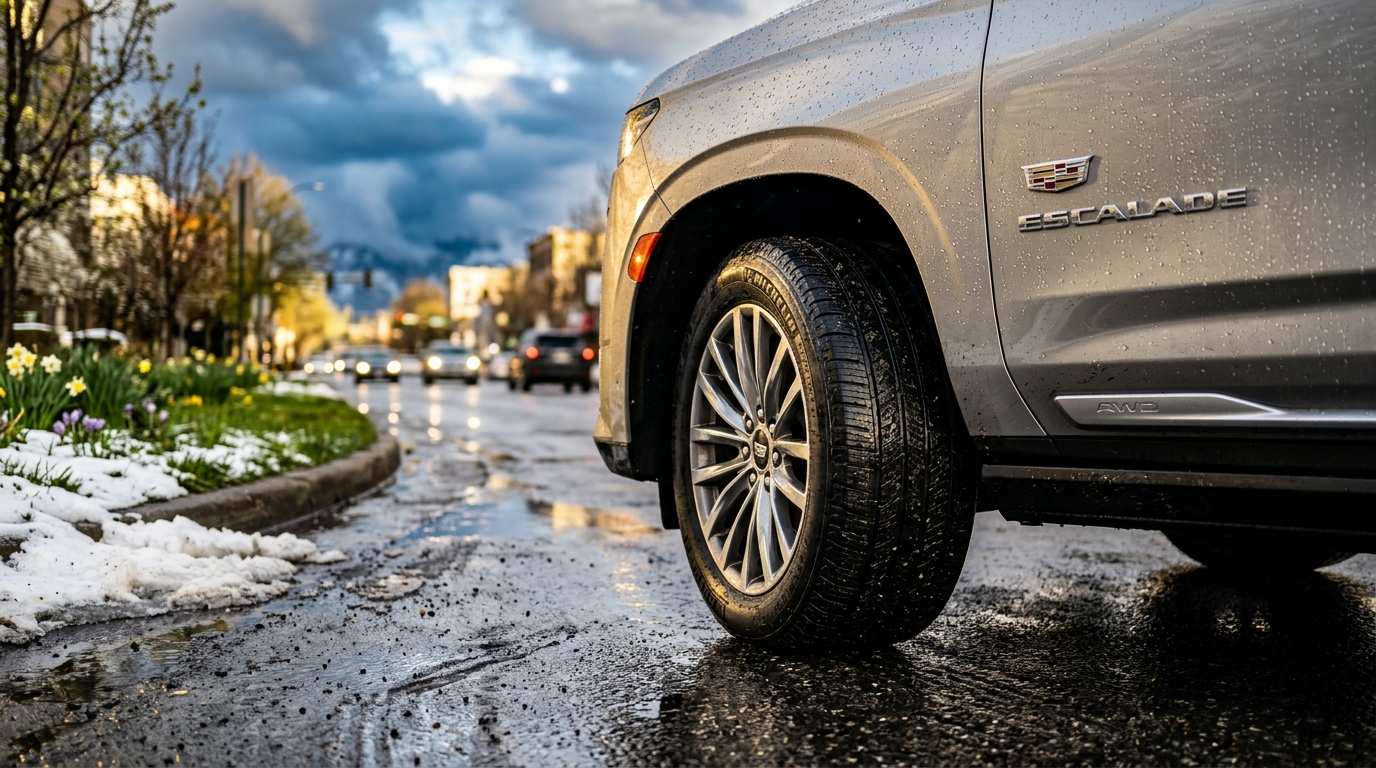
Springtime in Colorado is known for its rapidly changing weather patterns, especially in areas like Lone Tree, Aurora, and Englewood. One day can bring sunshine and warmth, while the next might deliver unexpected rain or even late-season snow. These fluctuations place significant demands on your vehicle’s tires, making proper preparation essential for safety and performance. Ensuring your tires are in optimal condition helps maintain traction, control, and stopping power amid these varied conditions.
The first step in preparing your tires for Colorado’s spring involves a comprehensive inspection to detect wear, damage, or aging signs. Checking tread depth is critical because worn tread reduces grip on wet or slick roads, increasing the risk of hydroplaning. The legal minimum tread depth is 2/32 of an inch, but experts recommend replacing tires once tread dips below 4/32 to maintain safe handling in rainy or snowy conditions commonly experienced in Centennial or Ken Caryl. Additionally, look for uneven wear patterns that might indicate alignment or suspension issues, which can worsen tire performance and accelerate deterioration.
Beyond tread, tire pressure plays a vital role in your vehicle’s handling and tire longevity. Fluctuating temperatures typical in places like Parker and Castle Rock can cause tire pressure to change daily, so regular monitoring is important. Underinflated tires increase rolling resistance, causing premature wear and reduced fuel efficiency, while overinflation can lead to a harsher ride and uneven tread wear. For accurate pressure readings, check your tires when they are cold, ideally before driving in the morning. Your vehicle’s recommended tire pressure is usually found on a placard inside the driver’s door or in the owner’s manual.
Spring is also an excellent time to evaluate your tires’ overall condition for any cracks, bulges, punctures, or embedded objects. These defects can lead to sudden tire failure if left unaddressed, especially on the highways around Englewood or the open roads near Foxfield. Professional technicians at John Elway Cadillac of Park Meadows can perform detailed inspections using advanced diagnostic tools to assess tire integrity beyond what’s visible to the naked eye. This service ensures your tires meet safety standards and are ready for any spring weather challenge.
For Colorado drivers, choosing the right tire type is crucial. All-season tires are popular for their versatility, but depending on your commute between Denver and Highlands Ranch, you might consider all-weather tires specifically designed to handle a broader range of conditions, including light snow and wet roads. Regardless of choice, routine tire rotation and balancing during scheduled maintenance visits help even out wear, extending tire life and preserving optimal performance.
With spring’s unpredictable conditions, proactive tire care prevents inconvenient breakdowns and enhances vehicle safety. If you notice any signs of wear or performance issues, don’t hesitate to contact John Elway Cadillac of Park Meadows for expert advice or to schedule service. Our certified technicians use genuine Cadillac parts and follow manufacturer-recommended procedures to keep your tires and vehicle in peak condition. Visit us at 8201 E Parkway Dr, Lone Tree, CO or call us at (303) 799-1110 for personalized service tailored to Colorado’s unique climate challenges.
Table of Contents
- Choosing the Best All-Season Tires for Variable Spring Conditions
- Recognizing When Your Tires Need Replacement: Key Warning Signs
- Understanding Tire Tread Depth and How to Measure It at Home
- Same-Day Tire Installation and Maintenance Services at John Elway Cadillac of Park Meadows
Choosing the Best All-Season Tires for Variable Spring Conditions
Selecting the right all-season tires is essential for navigating Colorado’s spring weather, which can swing from warm and dry to wet and icy within hours. For drivers in Lone Tree, Aurora, and Highlands Ranch, tire performance during these unpredictable shifts directly impacts safety, vehicle handling, and maintenance needs. The best all-season tires combine tread design, rubber compounds, and durability to provide reliable traction on wet roads, occasional snow patches, and dry pavement alike.
When evaluating all-season tires for variable spring conditions, pay close attention to tread pattern technology. Tires with asymmetric or directional tread designs tend to excel in channeling water away from the contact patch, reducing hydroplaning risks during sudden spring rainstorms common in Centennial and Parker. Additionally, tread blocks with multiple biting edges improve grip on light snow or slushy roads, critical for safe travel through areas like Englewood and Foxfield where weather variations are frequent.
The rubber compounds used in all-season tires also influence their adaptability. Tires that incorporate advanced silica-based compounds maintain flexibility across a wide temperature range, ensuring consistent traction from chilly mornings in Castle Rock to warmer afternoons in Cherry Hills Village. This flexibility minimizes tread wear, extending tire life and reducing the frequency of replacements, an important consideration for drivers aiming to manage upkeep costs effectively.
Durability and tread life ratings provide insight into long-term ownership expenses. Tires with higher UTQG (Uniform Tire Quality Grading) treadwear numbers typically last longer, which is beneficial for vehicle owners in Greenwood Village and Ken Caryl who want dependable tires that withstand spring’s erratic conditions without premature degradation. However, balancing treadwear with traction ratings is crucial; tires optimized for longevity might trade off some grip, so selecting models that meet recognized safety standards is imperative.
Beyond technical specifications, consider tire brands that offer manufacturer warranties and are supported by certified service centers in the Denver metro area. Opting for tires backed by Cadillac’s OEM standards ensures compatibility with your vehicle’s suspension and braking systems, preserving optimal performance and reducing the risk of uneven wear or mechanical issues.
In summary, the best all-season tires for Colorado’s spring weather provide a mix of effective water dispersion, flexible rubber compounds, and durable tread life. These features maintain vehicle control and enhance safety across the diverse conditions drivers face in Aurora, Lone Tree, and neighboring communities. Proper tire selection paired with regular maintenance from experienced technicians safeguards your investment and prepares your vehicle for the unpredictable months ahead.
Recognizing When Your Tires Need Replacement: Key Warning Signs
Maintaining optimal tire condition is crucial for safe driving in Colorado’s unpredictable spring weather. Knowing when your tires require replacement helps prevent unexpected failures and ensures consistent performance on wet, icy, or uneven roads common in Aurora and Englewood. Several important indicators should prompt a tire inspection or replacement to avoid compromising safety and vehicle reliability.
One of the most visible signs is uneven tread wear, often caused by misalignment, improper inflation, or suspension issues. Tires with significantly worn areas reduce traction, increasing the risk of hydroplaning during spring rainstorms. Another critical warning is tread depth. When tread depth falls below 4/32 of an inch, braking distances increase noticeably, and grip on wet surfaces deteriorates. Using a tread depth gauge or even a simple coin test can quickly reveal if your tires are nearing the end of their service life.
Cracks, bulges, or sidewall damage also signal the need for replacement. These defects weaken the tire’s structural integrity and can lead to sudden blowouts, especially when driving on rugged terrain around Ken Caryl or Parker. Additionally, vibrations or unusual noises during driving might point to internal tire damage or imbalance, which should be assessed by certified technicians.
Seasonal changes in temperature and road conditions accelerate tire wear in areas like Lone Tree and Centennial. Regular inspections by professionals at John Elway Cadillac of Park Meadows ensure that any signs of damage or wear are promptly addressed using genuine Cadillac parts. For replacement tires and expert service, you can explore our Parts Department to find the right components for your vehicle. Understanding and responding to these warning signs enhances vehicle safety and performance through Colorado’s variable spring weather.
Understanding Tire Tread Depth and How to Measure It at Home
Maintaining adequate tire tread depth is essential for safe driving, especially in Colorado’s unpredictable spring weather where wet roads and sudden temperature shifts can impact traction. Tread depth directly affects your vehicle’s ability to grip surfaces, channel water, and prevent hydroplaning. The legal minimum tread depth in Colorado is 2/32 of an inch, but for optimal safety in spring conditions, replacing tires when tread depth falls below 4/32 of an inch is recommended.
Measuring tread depth at home is straightforward and can be done using a simple tire tread depth gauge or a common penny. Insert a penny into the tread grooves with Lincoln’s head facing down. If the top of Lincoln’s head is visible, the tread is too shallow and replacement is necessary. For a more precise measurement, a tread depth gauge provides readings in 32nds of an inch, helping you track wear over time.
Regularly checking tread depth helps drivers in Englewood, Parker, and Greenwood Village avoid compromised handling and maintain optimal vehicle control. Consistent monitoring paired with professional inspections during routine service appointments ensures your tires remain reliable throughout spring’s variable conditions.
Same-Day Tire Installation and Maintenance Services at John Elway Cadillac of Park Meadows
At John Elway Cadillac of Park Meadows, we understand the urgency of preparing your vehicle for Colorado’s unpredictable spring weather. That’s why we offer efficient same-day tire installation to drivers in Lone Tree, Centennial, and Foxfield, ensuring you get back on the road safely without delay. Our certified technicians use Cadillac-approved tools and procedures to guarantee precise mounting, balancing, and alignment, which are crucial for optimal tire performance and longevity.
Alongside installation, our service team provides comprehensive tire maintenance, including rotation and inspection to prevent uneven wear. For drivers near Lone Tree and Aurora needing expert assistance, we invite you to get directions to our service center or call us at (303) 799-1110 to schedule your appointment today.
0 comment(s) so far on Preparing Your Tires for Colorado’s Unpredictable Spring Weather